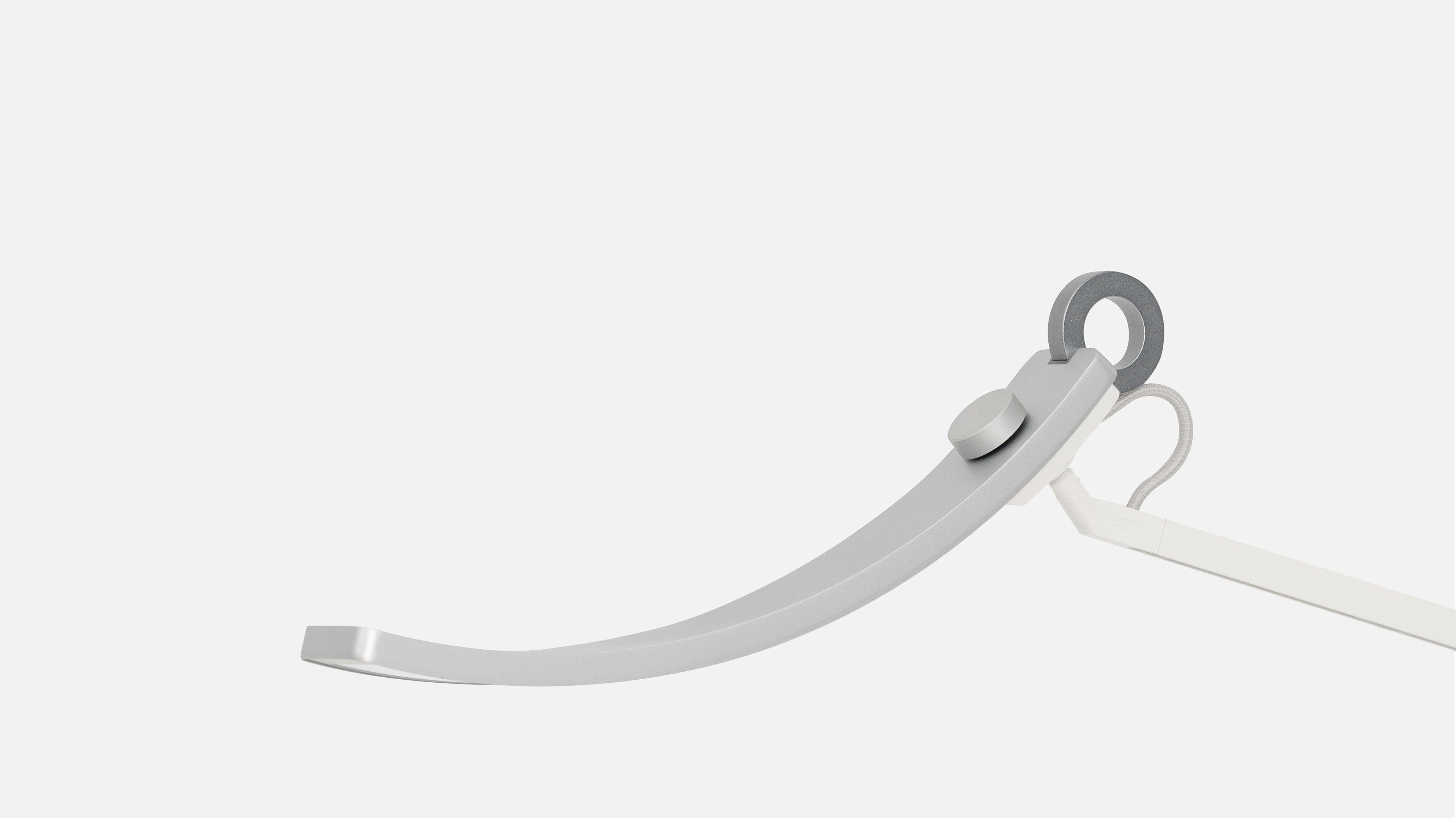
The BenQ WiT e-Reading is presented by BenQ as an e-reading desk lamp. This guide is for buyers who want to assess whether that product category suits a home office, studio or light-workshop desk. It focuses on the practical questions that should drive a purchase: where the lamp can sit, how its position and controls work with a particular desk, what support is available in the buyer’s region, and what long-term ownership questions need answering.
This is not a hands-on test, a health assessment, or electrical-installation advice. Product availability, prices, included mounting options, warranty terms and detailed specifications can change by country, so confirm those details on BenQ’s current regional listing before ordering.
BenQ WiT e-Reading desk lamp at a glance
AI-generated illustration — not a retailer product photo.
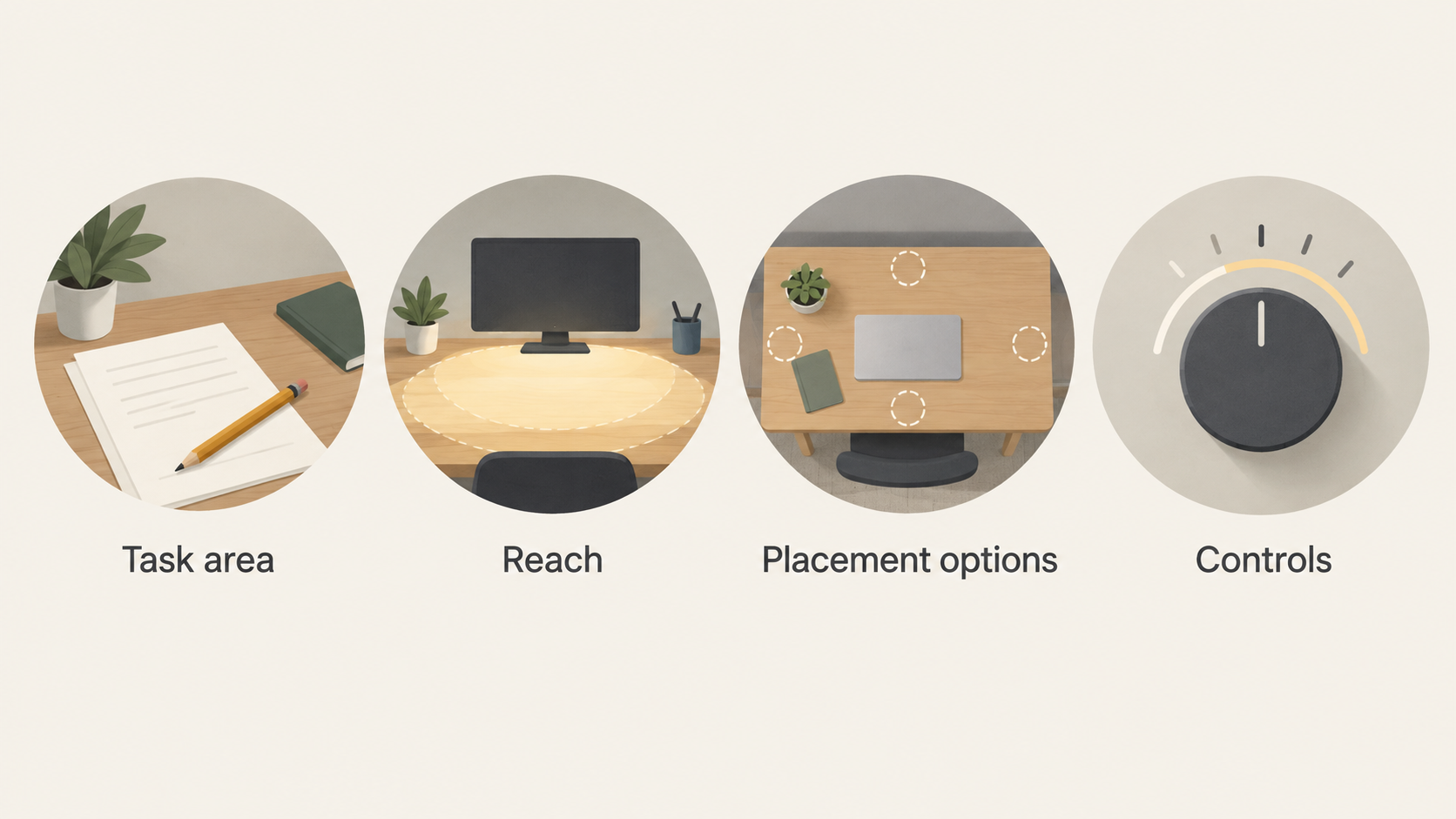
BenQ identifies WiT as an e-Reading desk lamp on its German lighting page. That makes it a relevant option for someone comparing an adjustable, desk-based task light rather than a monitor-mounted bar or a laptop-focused light. The important question is not whether a desk lamp is automatically the better format; it is whether its documented reach, placement options and controls match the way you use your desk.
Start with the task area. A desk lamp can be appealing when you need light to reach beyond a monitor: for paper notes, sketching, making, reading, keyboard work or a surface beside the screen. It may also make sense when the work position changes during the day. In contrast, a monitor light bar is normally assessed around the screen itself, while a laptop light bar is tied more closely to a portable-computer setup. BenQ’s UK lighting navigation lists e-Reading Desk Lamp, Monitor Light Bar and Laptop Light Bar as separate formats, which is a useful reminder to compare the category before comparing names.
For the WiT, treat the first-party product page as the starting point for a fit check rather than as a substitute for one. Look for the current regional specification, the supplied base or clamp information, the dimensions that affect clearance, and the instructions for placing the lamp around screens, shelves and wall edges. If your desk is shallow, crowded or used with a monitor arm, those details can matter more than an attractive feature list.
The comparison scope should stay evidence-led. A lamp’s controls, sensor functions, light settings and adjustment mechanisms may be useful characteristics, but they do not by themselves establish better eyesight, productivity, safety or a superior working outcome. Decide instead whether the documented design gives you the positioning and day-to-day operation you need.
Where the WiT design can be a strong fit
AI-generated illustration — not a retailer product photo.
The WiT format is worth considering when your work surface changes more than your screen position. A desk lamp can be a sensible category to investigate for readers who switch between a keyboard, notebook, drawing pad, reference pages and small objects on the desk. That is especially true when the desired lit area is not limited to the top edge of a display.
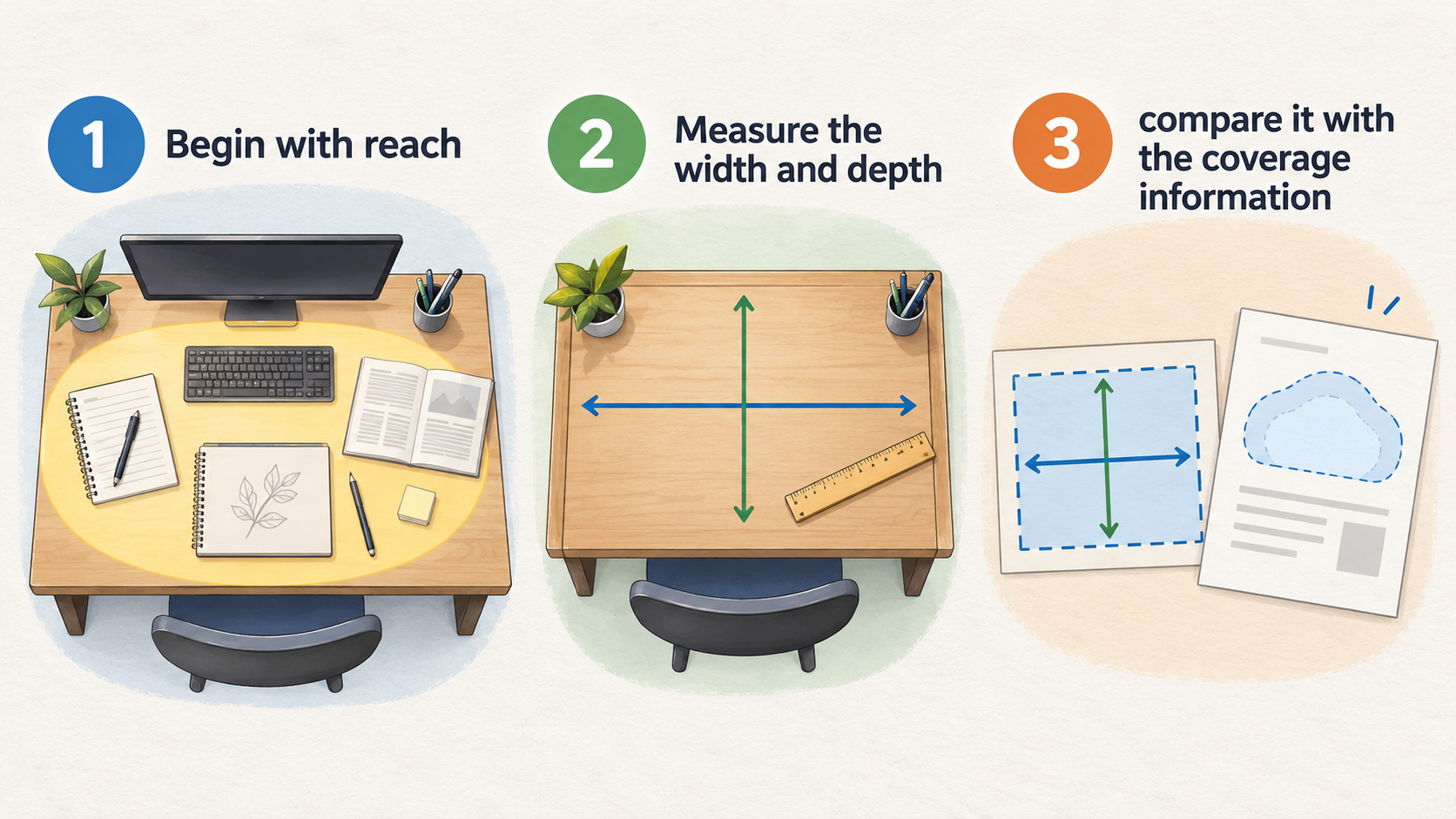
Begin with reach. Measure the width and depth of the area you actually use, then compare it with the coverage information on the current BenQ listing. Include the space occupied by monitor stands, speakers, document holders and desk shelving. A design that appears broad enough in a product image may still be unsuitable if the arm cannot reach the relevant part of your desk without crossing a screen or colliding with another accessory.
Positioning is the next consideration. Check the documented adjustment points and the clearance required behind and beside the desk. Buyers who alternate between seated and standing positions should ask whether the lamp can be aimed conveniently in both arrangements. Those who work from a fixed reading spot may place more value on repeatable positioning than on maximum movement. Neither preference is universally better; the right balance depends on the layout and the tasks performed there.
Controls can also be a convenience factor. If the current product documentation describes manual controls, automatic or sensor-led behaviour, or colour-temperature settings, assess those features against your routine. A frequently adjusted shared desk may benefit from controls that are easy to reach and understand. A stable workstation may need little more than settings that can be checked and left in place. Confirm exactly what is offered in your market and how the stated functions are operated before treating any feature as essential.
Finally, account for the rest of the lighting plan. A dedicated desk lamp can complement room lighting, but it should not be selected on the assumption that a single product will solve every lighting need. Consider screen position, daylight, reflection-prone surfaces and other local light sources. The goal is a documented, workable setup for your own desk—not an unsupported promise about performance or wellbeing.
Ownership and fit trade-offs to consider
A desk lamp can require more planning than a screen-mounted alternative. It needs a place on or near the desk, it may compete with other equipment for surface area, and its mounting arrangement has to suit the furniture you already own. Before buying, confirm the current regional information for the included mounting hardware, the dimensions, cable routing and any compatibility limits. Do not infer that a pictured arrangement, accessory or option is included with every regional listing.
Light-source construction is another ownership question. If the WiT listing describes an integrated light source, ask BenQ or its local support channel what that means for repair, replacement and service in your market. If it describes a replaceable component, verify the part number, availability and replacement procedure. The useful decision is not “integrated is good” or “replaceable is good”; it is whether the documented support path fits the period you expect to own the lamp.
Treat construction and materials in the same way. A buyer may prefer a particular appearance, weight, finish or base style, but those preferences are personal and must be checked against the current specification rather than assumed from marketing imagery. Review the care information, warranty conditions and return policy that apply where you live. These terms can affect total ownership cost as much as the ticket price.
Fit also includes the desk itself. Measure edge thickness if you are considering a clamp arrangement, check whether a base would obstruct your usual work area, and leave space for the lamp’s cable without creating a snagging point. A monitor arm, shelf, acoustic panel or wall-mounted screen can all change what is practical. If the exact mounting method is not clearly documented on the page available to you, pause and confirm it with BenQ before ordering.
These are trade-offs, not automatic faults. The WiT may be a better match for a buyer who needs desk-level flexibility, while a smaller or screen-oriented format may make more sense where space is tight. The point is to identify the constraints before the purchase, when they are still easy to resolve.
How to evaluate the WiT for your workspace
Use a short pre-purchase checklist. First, measure the desk: its width, depth, rear clearance and free edge space. Mark where the monitor, keyboard, documents and any secondary work area sit. Then use the current BenQ regional product information to compare the lamp’s stated reach, dimensions and supported placement options with that drawing.
Second, review operation. Check the documented controls and any sensor-led or automatic functions, if listed. Confirm the available light-setting options, including colour-temperature information where applicable, and establish whether the controls suit your routine. For a shared desk, it may be worth checking how easily another person can understand the settings. For a personal desk, ask whether the intended position leaves the controls accessible after screens and accessories are in place.
Third, verify ownership details before price decides the comparison. Look for the regional price, stock status, warranty, return conditions, support contact and documentation. Check how the product’s light source is described and whether BenQ provides a repair or replacement route for your location. Keep screenshots or a saved copy of the relevant listing terms if they are central to your decision, since regional catalogues and promotions can change.
Fourth, compare format rather than assuming the WiT is the default answer. If you work mostly at a monitor and have little spare desk space, compare it with a monitor light bar. If the work happens across paper, tools or a broader desk area, compare it with other adjustable desk lamps. Apply the same measurements and ownership questions to each candidate so that the comparison stays fair.
A final check with BenQ is worthwhile when information is unclear. Ask concise, product-specific questions: which mounting option is included, whether it fits your desk dimensions, what settings are available in your region, and how service is handled. That produces a more reliable buying decision than relying on assumptions drawn from photos or general category claims.
Alternatives worth comparing
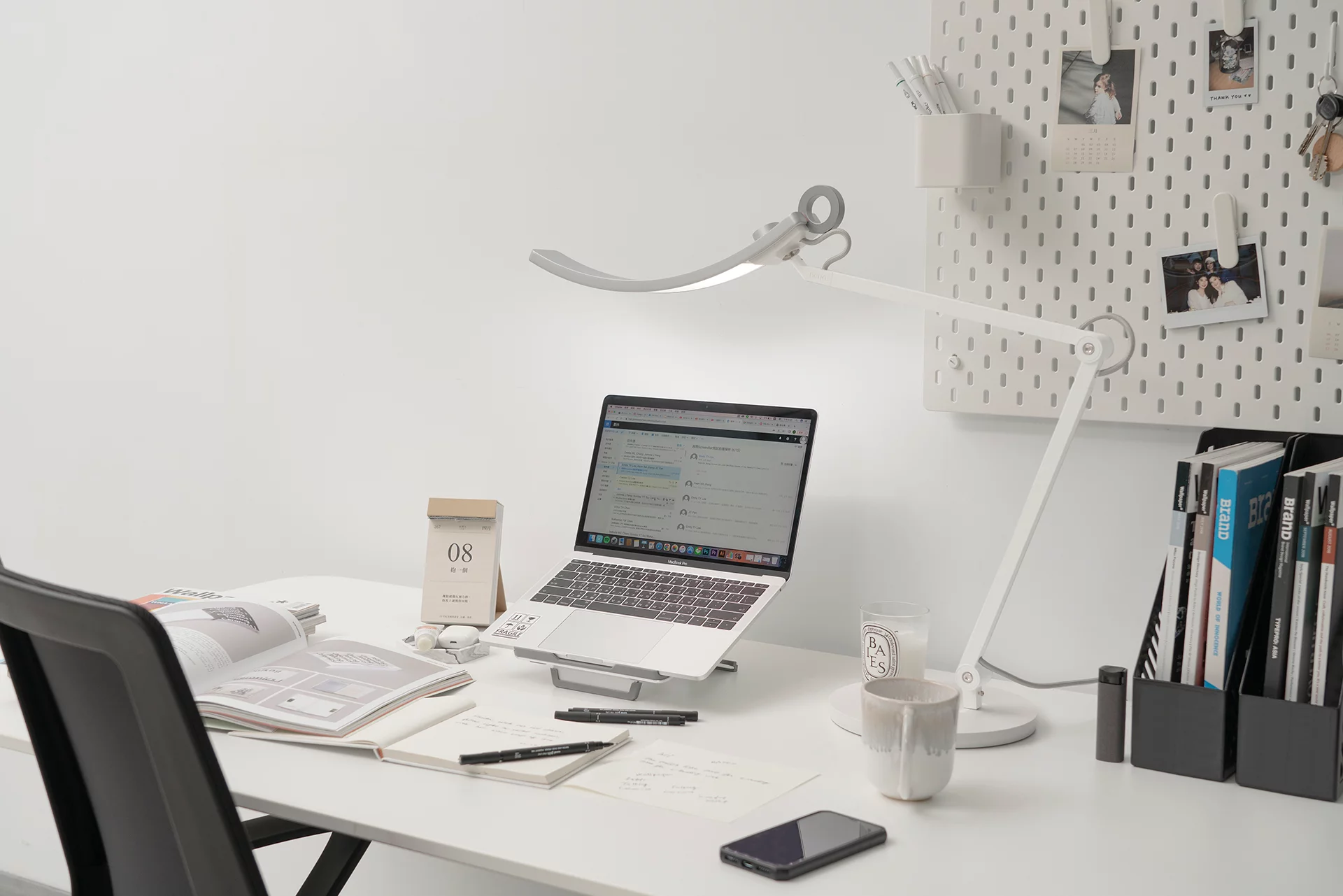 The most useful alternatives are those that solve the same workspace problem in a different way. BenQ’s UK lighting navigation separates e-Reading Desk Lamp, Monitor Light Bar and Laptop Light Bar, so start by deciding which physical format belongs in your comparison.
Compare another adjustable desk lamp when you need light to reach paper, a drawing surface or a broader area around the monitor. Evaluate its documented reach, mounting or base footprint, control placement, stated settings, cable routing and support terms beside the corresponding WiT information. Do not rank one lamp above another merely because it has a longer feature list; the better choice is the one that fits the measured desk and has ownership terms you can accept.
Compare a monitor light bar when the display is the centre of the setup and desk space is limited. The key questions are whether it suits your monitor shape and mounting arrangement, where its controls sit, and whether its documented coverage meets the tasks immediately in front of the screen. A light bar may simplify the desk, but it is not automatically a replacement for a lamp needed over off-screen work.
A laptop light bar is most relevant for a portable-computer workflow. It may be a category worth checking if the desk changes often or if a laptop moves between rooms. Again, confirm the current official specification and compatibility information before assuming it suits a particular device.
Keep the comparison neutral. Current official specifications, regional availability and support conditions should determine whether two products are genuinely comparable. If those records are incomplete, identify the missing question and verify it before making a purchase decision.
Frequently Asked Questions
What should I measure before choosing a BenQ WiT e-Reading desk lamp?
Measure desk width and depth, free edge space, clearance behind the desk, monitor and shelf positions, and the area you want to light. Then compare those measurements with BenQ’s current regional dimensions, reach and mounting information. Also plan cable routing and check that the intended position does not obstruct a monitor arm or your normal work surface.
How should I compare the WiT with a monitor light bar?
Start with the task area. Compare the WiT with a monitor light bar if most work happens at the screen; compare an adjustable desk lamp if papers or a wider desk area matter. For each option, check the official compatibility, mounting, controls, stated coverage and regional ownership terms. Avoid treating one format as universally better.
What should I confirm about the integrated light source and long-term ownership?
Confirm how BenQ describes the light source on the current local listing, then ask about repair, replacement components, warranty coverage and support in your country. If a product uses an integrated source, do not assume the service path or expected ownership implications without documentation from BenQ or its authorised regional support channel.
Where can I check current regional availability and support details?
Use BenQ’s official regional lighting pages and the support route linked for your market. Check availability, price, warranty, returns and product documentation there, because these details may differ across Germany, the UK and other European locations. If a listing does not answer a purchase-critical question, contact BenQ before ordering.
Sources
Related reading
- Best adjustable desk and task lamps for German homes and workshops: evidence-led top choices
- IKEA TERTIAL review: clamp, reach, replaceable bulb and everyday trade-offs
- How to choose a desk or task lamp by reach, mounting, controls and light-source design
- Replaceable-bulb vs integrated-LED task lamps: maintenance, controls and long-term trade-offs
Editorial information: About our editorial team · Read our editorial policy · Read our affiliate disclosure.